
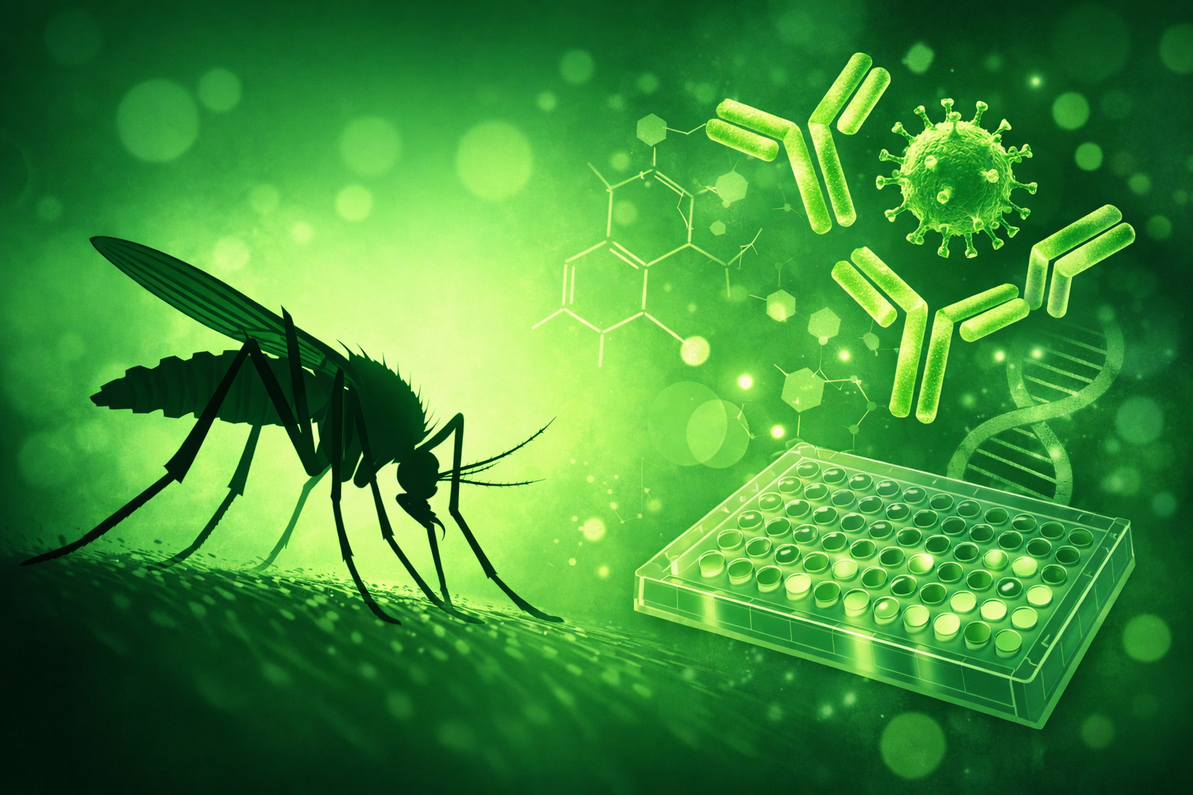
Antibody-Based Detection of Mosquito-Borne Pathogens
Antibody-Based Detection of Mosquito-Borne Pathogens
Introduction
Mosquito-borne diseases remain one of the most important global public health challenges. Pathogens transmitted by mosquitoes include protozoa, viruses, and parasites that cause severe illnesses in humans and animals. Early and accurate detection of these pathogens is essential for disease surveillance, outbreak prevention, epidemiological studies, and biomedical research. Among the most powerful tools used in laboratory diagnostics and research are antibody-based detection methods, which allow scientists to identify specific pathogen proteins with high sensitivity and specificity.
Mosquito vectors such as Anopheles gambiae, Aedes aegypti, and Culex pipiens transmit a wide range of pathogens including Malaria, Dengue fever, Zika virus infection, and West Nile virus infection. Detecting these pathogens within mosquito populations or infected hosts is crucial for monitoring transmission dynamics and developing effective control strategies.
Major mosquito‑borne pathogens and vectors
Key mosquito vectors include:
Anopheles gambiae (primarily malaria, caused by Plasmodium protozoan parasites). 
Aedes aegypti (dengue, Zika, chikungunya, yellow fever).
Culex pipiens (West Nile virus, some avian malaria and other arboviruses).
These mosquitoes transmit a wide range of agents viruses (flaviviruses, alphaviruses), protozoa (Plasmodium), and nematode parasites (e.g., Wuchereria bancrofti), all of which can cause severe or life‑threatening disease in humans and animals
Principles of Antibody-Based Detection
Antibodies are highly specific proteins produced by the immune system that recognize and bind to particular molecular targets known as antigens. In diagnostic and research applications, antibodies are engineered or purified to bind selectively to proteins derived from pathogens such as viruses, parasites, or bacteria.
When an antibody binds to its target antigen, this interaction can be detected through various biochemical techniques. These methods allow researchers to confirm the presence of a pathogen in biological samples such as:
mosquito tissues
blood or serum samples
environmental samples
cell culture systems
Because antibodies can recognize unique protein structures, they are widely used to detect pathogen-specific markers even at very low concentrations.
Major Antibody-Based Detection Techniques
1. Enzyme-Linked Immunosorbent Assay (ELISA)
One of the most widely used antibody-based techniques is the ELISA assay, which enables quantitative detection of pathogen proteins or host antibodies produced during infection.
In mosquito-borne disease research, ELISA is commonly used to detect:
viral antigens from mosquito-transmitted viruses
parasite proteins associated with malaria infection
host immune responses to mosquito-borne pathogens
ELISA assays are highly scalable and suitable for large epidemiological studies. They are frequently used in surveillance programs to screen large numbers of mosquito samples for pathogen presence.
|
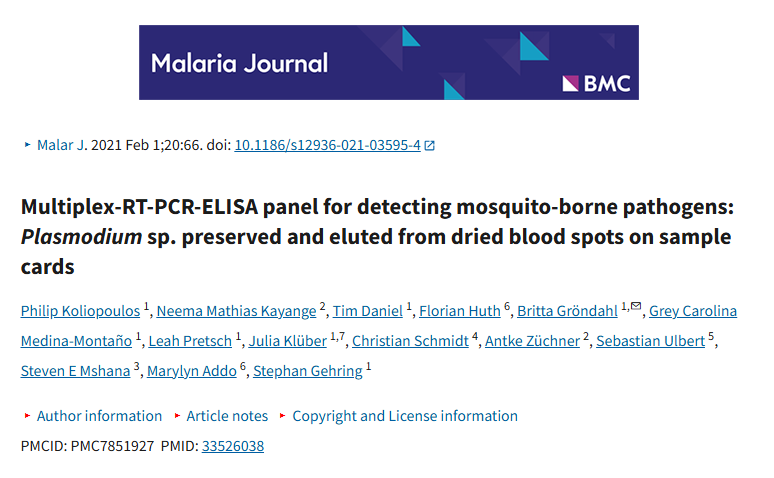
Article OverviewMosquito-borne diseases remain a major public health challenge in many tropical regions, particularly in sub-Saharan Africa where children are highly vulnerable to infections such as Malaria and Dengue fever. Accurate and rapid diagnosis is essential to ensure appropriate treatment and to avoid the unnecessary use of antibiotics or anti-malarial drugs. This article explores an advanced diagnostic approach combining multiplex reverse transcriptase polymerase chain reaction (multiplex-RT-PCR) and enzyme-linked immunosorbent assay (ELISA) to detect multiple mosquito-borne pathogens simultaneously. The study evaluates this method using blood samples collected from febrile children in the Lake Victoria region, focusing on the detection of Plasmodium falciparum, the primary parasite responsible for severe malaria. The results demonstrate that multiplex-RT-PCR-ELISA provides highly accurate identification of several vector-borne pathogens, offering a powerful diagnostic alternative to traditional methods such as microscopy or rapid diagnostic tests. By improving pathogen detection and diagnostic precision, this approach has the potential to enhance disease surveillance, guide appropriate treatment, and reduce childhood mortality associated with mosquito-borne infections. |
2. Immunofluorescence Assays (IFA)
Immunofluorescence techniques involve antibodies labeled with fluorescent dyes that bind to pathogen antigens within cells or tissues. When viewed under a fluorescence microscope, the bound antibodies produce a bright signal that indicates the presence and localization of the pathogen.
This technique is particularly useful for studying:
pathogen localization in mosquito tissues
infection stages within vector organs
cellular interactions between pathogens and host cells
Immunofluorescence assays provide both qualitative and spatial information about pathogen distribution.
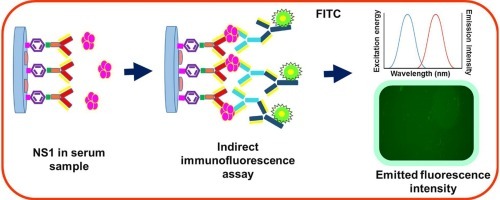
Figure: Optical Immunosensor Platform for Early Detection of Dengue NS1 Biomarker
3. Western Blot Analysis
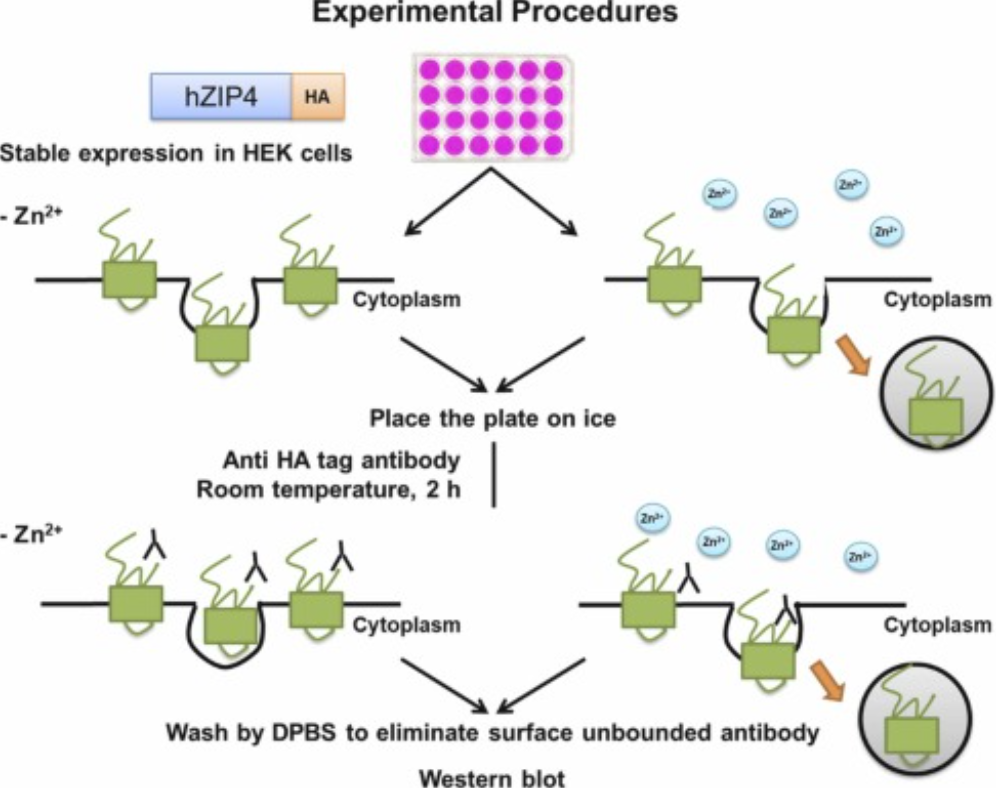
Western blotting is another powerful antibody-based method used to detect specific proteins separated by electrophoresis. In mosquito-borne pathogen research, Western blot assays can confirm the presence of pathogen-derived proteins and validate results obtained by other techniques.
Researchers often use Western blotting to analyze:
parasite surface proteins
viral structural proteins
immune response markers
Because of its high specificity, Western blotting is often used as a confirmatory diagnostic method.
4. Rapid Immunodiagnostic Tests
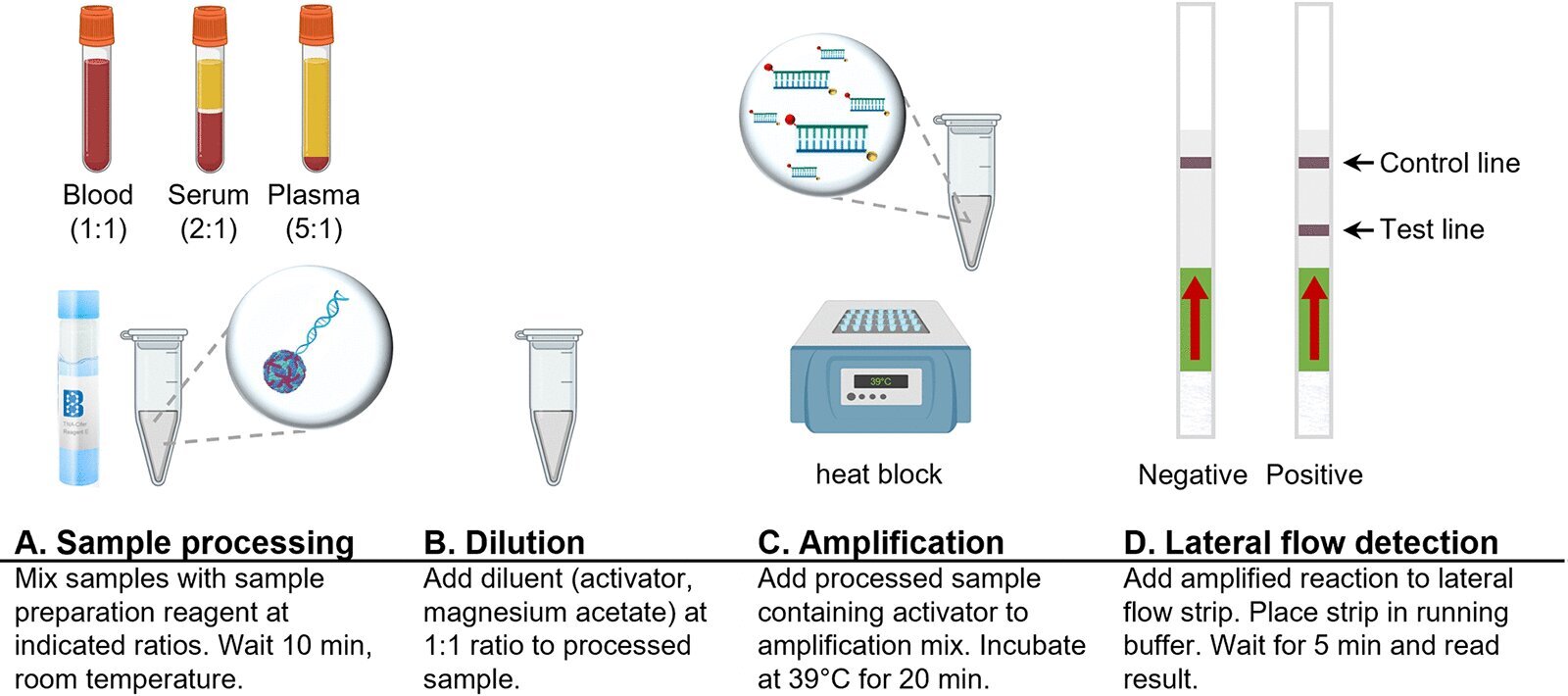
Rapid diagnostic tests (RDTs) use antibody-based detection in a simplified format suitable for field use. These lateral flow assays provide quick results without the need for complex laboratory equipment.
Rapid tests are commonly applied for the detection of mosquito-borne infections such as Malaria or Dengue fever, particularly in remote regions where laboratory infrastructure is limited.
Applications in Vector-Borne Disease Research
Antibody-based detection technologies play a crucial role in multiple areas of mosquito-borne disease research.
Pathogen Surveillance in Mosquito Populations
Monitoring pathogen prevalence in mosquito populations helps researchers identify transmission hotspots and evaluate the effectiveness of vector control strategies. By testing mosquito samples with pathogen-specific antibodies, researchers can rapidly determine infection rates within vector populations.
Epidemiological Monitoring
Serological assays using antibodies enable scientists to measure immune responses in human populations exposed to mosquito-borne pathogens. This information is essential for understanding disease transmission patterns and assessing public health risks.
Vaccine and Drug Development
Antibody-based assays are essential tools for evaluating immune responses during vaccine development. They allow researchers to measure antibody production, antigen recognition, and immune protection against mosquito-borne pathogens.
These assays also help identify potential therapeutic targets by detecting pathogen proteins involved in infection mechanisms.
Fundamental Research on Vector-Pathogen Interactions
Understanding how pathogens interact with mosquito vectors is critical for developing innovative disease control strategies. Antibody-based detection methods enable researchers to study pathogen invasion of mosquito tissues, replication processes, and transmission pathways.
Advantages of Antibody-Based Detection Methods
Antibody-based technologies offer several advantages in pathogen detection:
High specificity for target antigens
High sensitivity enabling detection of low pathogen levels
Versatility across multiple assay formats
Compatibility with high-throughput screening methods
Applicability in both laboratory and field settings
These properties make antibody-based techniques indispensable in modern biomedical and epidemiological research.
Future Perspectives
Advances in biotechnology continue to improve antibody engineering and diagnostic technologies. The development of recombinant antibodies, multiplex immunoassays, and biosensor-based detection systems is expected to further enhance the sensitivity and speed of mosquito-borne pathogen detection.
➜ The article below highlights the innovative strategies and challenges in addressing mosquito-borne diseases
Combining antibody-based detection with genomic and molecular approaches will provide deeper insights into vector-pathogen interactions and facilitate the development of innovative strategies to combat mosquito-borne diseases worldwide.
Recent Posts
-
Randomly Amplified Polymorphic DNA (RAPD)
Introduction The analysis of genetic variation at the DNA level has become a fundamental approach in …1st Apr 2026 -
Role of Cytogenetics and Molecular Cytogenetics in Diagnosing Genetic Imbalances
Introduction Over the past five decades, cytogenetics and molecular cytogenetics have transformed t …1st Apr 2026 -
In Situ Hybridization in Cytogenetics
Introduction In situ hybridization (ISH) is a powerful technique used in cytogenetics to detect and …31st Mar 2026