
Malaria vector species
Malaria Vector Species: Anopheline Mosquitoes Across Global Epidemiological Zones
- Malaria is a mosquito-borne parasitic disease transmitted through the bites of infected female mosquitoes belonging to the genus Anopheles. The geographical distribution of malaria transmission is closely associated with the ecological characteristics, biological diversity and environmental adaptability of these mosquito vectors. Although numerous Anopheles species occur across tropical, subtropical and temperate regions, their epidemiological importance differs considerably according to their ability to transmit malaria parasites and their interactions with human populations.
- The study of anopheline vector species provides essential information for understanding the geographical patterns of malaria transmission. Differences in mosquito abundance, breeding habitats, feeding preferences and environmental tolerance contribute to the variation observed between epidemiological regions. Identifying the species responsible for transmission is therefore an important component of medical entomology, epidemiological research and vector surveillance.
- Malaria vector classification also provides a framework for distinguishing primary vectors from subsidiary species. Primary vectors generally contribute more substantially to local transmission, whereas incidental and local vectors may become epidemiologically relevant under particular ecological and environmental conditions.
- The following classification presents an overview of anopheline malaria vector species across twelve historical epidemiological zones. It follows the geographical framework established by Macdonald (1957) and the species compilation attributed to M.W. Service (1993).

Epidemiological Classification of Anopheline Malaria Vectors
Anopheline mosquitoes belong to the family Culicidae and include several subgenera characterized by different morphological and biological features. Their classification is important for understanding species diversity, geographical distribution and the epidemiological mechanisms involved in malaria transmission.
The historical classification presented below uses four principal subgeneric abbreviations:
-
A: Anopheles sensu stricto.
-
C: Cellia.
-
K: Kerteszia.
-
N: Nyssorhynchus.
Within this framework, main or primary malaria vectors are distinguished from subsidiary vectors, including incidental and locally important species, through bold formatting.
The geographical organization of the species reflects differences in regional ecology, climate, mosquito habitats and historical malaria epidemiology.
Global Distribution of Malaria Vector Species Across Twelve Epidemiological Zones
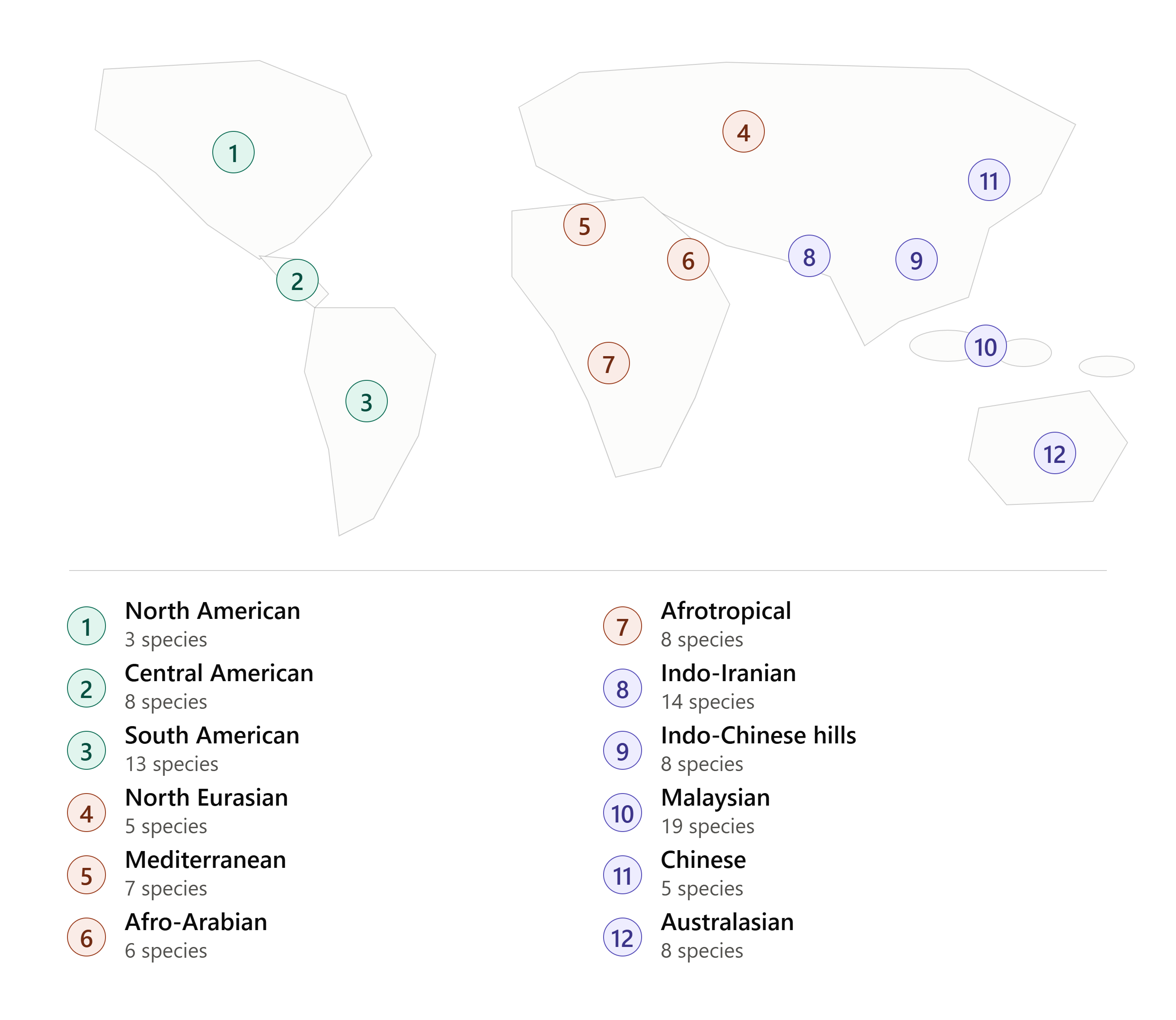
1. North American Epidemiological Zone
The North American epidemiological zone provides an example of malaria vector distribution in temperate environments. Historically, several Anopheles species were associated with malaria transmission in different parts of the continent. Their distribution was influenced by climatic conditions, freshwater ecosystems, seasonal temperature variations and the availability of suitable aquatic breeding habitats.
The identification of malaria vectors in this region is particularly relevant to understanding historical malaria epidemiology and the relationship between mosquito ecology and human settlement patterns.
Anopheline vector species recorded in the North American zone:
-
A. (A.) freeborni
-
A. (A.) quadrimaculatus
-
A. (N.) albimarus
2. Central American Epidemiological Zone
Central America contains diverse ecological environments that support several Anopheles mosquito species. Tropical vegetation, coastal wetlands, freshwater collections and seasonal rainfall contribute to the availability of mosquito breeding habitats.
The geographical distribution of malaria vectors in this region is associated with environmental heterogeneity and differences in mosquito adaptation to local ecosystems. Species belonging to different subgenera demonstrate variations in habitat preference and ecological distribution, making regional species identification important for malaria surveillance.
Anopheline vector species recorded in the Central American zone:
-
A. (A.) aztecus
-
A. (A.) punctimacula
-
A. (A.) pseudopunctipennis
-
A. (N.) albimanus
-
A. (N.) albitarsis
-
A. (N.) aquasalis
-
A. (N.) argyritarsis
-
A. (N.) darlingi
3. South American Epidemiological Zone
South America represents an important geographical area for studying anopheline diversity and malaria vector ecology. Its extensive tropical forests, river systems, wetlands and coastal environments provide numerous ecological conditions suitable for different mosquito species.
The diversity of Anopheles mosquitoes in this region reflects the complexity of its ecosystems. Species associated with freshwater habitats, forest environments and coastal landscapes contribute to the regional distribution of malaria vectors.
The presence of several subgenera also illustrates the taxonomic diversity of malaria-associated mosquitoes in South America. Understanding their geographical distribution is important for examining regional differences in malaria epidemiology and identifying locally significant vector populations.
Anopheline vector species recorded in the South American zone:
-
A. (A.) pseudopunctipennis
-
A. (A.) punctimacula
-
A. (K.) bellator
-
A. (K.) cruzii
-
A. (K.) neivai
-
A. (N.) albimanus
-
A. (N.) albitarsis
-
A. (N.) aquasalis
-
A. (N.) argyritarsis
-
A. (N.) braziliensis
-
A. (N.) darlingi
-
A. (N.) nuneztovari
-
A. (N.) triannulatus
4. North Eurasian Epidemiological Zone
The North Eurasian zone includes geographical environments characterized by pronounced seasonal variations and temperate climatic conditions. Anopheline mosquito populations in these areas are influenced by temperature, precipitation, vegetation and the availability of aquatic habitats.
Unlike many tropical environments, temperate regions experience substantial seasonal changes that influence mosquito development and survival. These variations also affect the environmental conditions required for malaria parasite development within mosquito vectors.
The historical classification identifies several species associated with this geographical zone, highlighting the importance of regional ecological adaptation in malaria vector distribution.
Anopheline vector species recorded in the North Eurasian zone:
-
A. (A.) atroparvus
-
A. (A.) messeae
-
A. (A.) sacharovi
-
A. (A.) sinensis
-
A. (C.) pattoni
5. Mediterranean Epidemiological Zone
The Mediterranean epidemiological zone includes a variety of ecological environments, ranging from coastal wetlands and agricultural landscapes to inland freshwater ecosystems. These habitats have historically supported different Anopheles mosquito populations associated with malaria transmission.
Environmental characteristics such as temperature, rainfall, irrigation practices and seasonal water availability influence the distribution of mosquito breeding habitats.
The historical presence of several anopheline species in this region illustrates the ecological diversity of malaria vectors in Mediterranean environments. Their identification is relevant to understanding historical transmission patterns and the relationship between environmental conditions and mosquito population dynamics.
Anopheline vector species recorded in the Mediterranean zone:
-
A. (A.) atroparvus
-
A. (A.) claviger
-
A. (A.) labranchiae
-
A. (A.) messeae
-
A. (A.) sacharovi
-
A. (C.) hispaniola
-
A. (C.) superpictus
6. Afro-Arabian Epidemiological Zone
The Afro-Arabian zone encompasses diverse environments, including semi-arid landscapes, river-associated ecosystems, irrigated agricultural areas and regions characterized by seasonal rainfall.
The distribution of malaria vector species across these environments is closely related to water availability and the ecological conditions required for mosquito reproduction. Changes in precipitation, irrigation and water management can influence the availability of larval habitats and the abundance of local mosquito populations.
The species identified in this zone illustrate the geographical diversity of anopheline mosquitoes and their adaptation to different environmental conditions.
Anopheline vector species recorded in the Afro-Arabian zone:
-
A. (C.) culicifacies
-
A. (C.) fluviatilis
-
A. (C.) hispaniola
-
A. (C.) multicolor
-
A. (C.) pharoensis
-
A. (C.) sergentii
7. Afrotropical Epidemiological Zone
The Afrotropical zone is particularly important in global malaria epidemiology because of the considerable diversity of malaria-transmitting Anopheles mosquitoes found throughout sub-Saharan Africa.
Tropical forests, savannah ecosystems, wetlands, agricultural environments and human settlements create a wide range of ecological conditions that influence mosquito distribution and abundance.
Several species in this region are recognized as major malaria vectors. Their epidemiological importance is associated with biological characteristics such as host preference, feeding behavior, adult longevity and the ability to support Plasmodium parasite development.
The diversity of vector species also creates challenges for malaria surveillance and control because different mosquitoes may exhibit distinct ecological preferences and behavioral patterns.
Anopheline vector species recorded in the Afrotropical zone:
-
A. (C.) arabiensis
-
A. (C.) funestus
-
A. (C.) gambiae
-
A. (C.) melas
-
A. (C.) merus
-
A. (C.) moucheti
-
A. (C.) nili
-
A. (C.) pharoensis
8. Indo-Iranian Epidemiological Zone
The Indo-Iranian epidemiological zone encompasses several climatic and ecological environments, including subtropical landscapes, river basins, agricultural regions and densely populated settlements.
The distribution of Anopheles mosquitoes in this region reflects the diversity of available breeding habitats and the adaptability of different species to environmental conditions.
Agricultural irrigation, seasonal precipitation and urban water-management systems can influence mosquito breeding opportunities. Some species are associated with rural environments, while others can also occur in urban and peri-urban settings.
The identification of regional malaria vector species provides important information for understanding local transmission dynamics and evaluating mosquito surveillance strategies.
Anopheline vector species recorded in the Indo-Iranian zone:
-
A. (A.) sacharovi
-
A. (C.) aconitus
-
A. (C.) annularis
-
A. (C.) culicifacies
-
A. (C.) fluviatilis
-
A. (C.) jeyporiensis
-
A. (C.) minimus
-
A. (C.) philippinensis
-
A. (C.) pulcherrimus
-
A. (C.) stephensi malariaspecies.html
-
A. (C.) sundaicus
-
A. (C.) superpictus
-
A. (C.) tessellatus
-
A. (C.) varuna
9. Indo-Chinese Hills Epidemiological Zone
The Indo-Chinese hills represent a distinctive ecological environment characterized by mountainous landscapes, forest ecosystems, river valleys and variable climatic conditions.
These environments influence the geographical distribution of malaria vector populations and create specific interactions between mosquito habitats and human activities.
Forest-associated mosquito species are particularly relevant to epidemiological investigations in areas where agricultural activities, forest work and human settlement expansion increase contact between people and mosquito populations.
The historical classification identifies several Anopheles species associated with this zone, illustrating the importance of environmental diversity in malaria vector distribution.
Anopheline vector species recorded in the Indo-Chinese hills zone:
-
A. (A.) nigerrimus
-
A. (C.) annularis
-
A. (C.) culicifacies
-
A. (C.) dirus
-
A. (C.) fluviatilis
-
A. (C.) jeyporiensis
-
A. (C.) maculatus
-
A. (C.) minimus
10. Malaysian Epidemiological Zone
The Malaysian epidemiological zone contains a broad diversity of Anopheles mosquitoes associated with tropical forests, coastal ecosystems, freshwater environments and agricultural landscapes.
The ecological characteristics of these environments contribute to the distribution of different mosquito species. Forest-associated habitats, coastal water collections and inland aquatic ecosystems provide distinct conditions for mosquito development.
The presence of several species belonging to the subgenera Anopheles and Cellia highlights the taxonomic diversity of malaria vectors in this geographical region.
Understanding the distribution of these species is important for examining regional mosquito ecology and identifying the vector populations relevant to malaria surveillance.
Anopheline vector species recorded in the Malaysian zone:
-
A. (A.) campestris
-
A. (A.) conaldi
-
A. (A.) donaldi
-
A. (A.) letifer
-
A. (A.) nigerrimus
-
A. (A.) whartoni
-
A. (C.) acconitus
-
A. (C.) balabacensis
-
A. (C.) dirus
-
A. (C.) flavirostris
-
A. (C.) jeyporiensis
-
A. (C.) leucosphyrus
-
A. (C.) ludlowae
-
A. (C.) maculatus
-
A. (C.) mangyanu
-
A. (C.) minimus
-
A. (C.) philippiensis
-
A. (C.) subpictus
-
A. (C.) sundaicus
11. Chinese Epidemiological Zone
The Chinese epidemiological zone includes temperate and subtropical environments with substantial geographical and climatic variation. These environmental differences influence mosquito distribution, seasonal development and the availability of suitable aquatic breeding habitats.
Historical malaria vector records identify several Anopheles species associated with this region. Their ecological distribution is influenced by rainfall, temperature, vegetation and agricultural water-management practices.
The study of these species provides a foundation for understanding the historical geographical patterns of malaria transmission and the role of mosquito populations in regional epidemiology.
Anopheline vector species recorded in the Chinese zone:
-
A. (A.) anthropophagus
-
A. (A.) sinensis
-
A. (C.) balabacensis
-
A. (C.) jeyporiensis
-
A. (C.) pattoni
12. Australasian Epidemiological Zone
The Australasian epidemiological zone includes tropical island environments, coastal ecosystems and freshwater habitats that support a diverse range of Anopheles mosquito species.
Geographical isolation, climatic variation, vegetation and the availability of aquatic breeding habitats contribute to differences in mosquito distribution across this region.
The Anopheles punctulatus group is particularly relevant to malaria epidemiology in parts of the southwestern Pacific. The diversity of species recorded in this historical classification demonstrates the importance of regional ecological characteristics in understanding malaria vector populations.
Anopheline vector species recorded in the Australasian zone:
-
A. (A.) bacroftii
-
A. (C.) farauti type 1
-
A. (C.) farauti type 2
-
A. (C.) hilli
-
A. (C.) karwari
-
A. (C.) koliensis
-
A. (C.) punctulatus
-
A. (C.) subpictus

Ecological Factors Influencing the Distribution of Anopheline Mosquitoes
The distribution of malaria vector species is determined by the interaction between environmental conditions, mosquito biology and geographical characteristics. Understanding these relationships is essential for interpreting the differences observed between epidemiological zones.
Climate and Temperature
Temperature influences mosquito development, adult survival and the development of malaria parasites within mosquito populations. Seasonal temperature variations can therefore affect the duration and intensity of potential malaria transmission.
Rainfall and humidity also influence mosquito population dynamics by modifying the availability and persistence of aquatic breeding habitats.
Aquatic Breeding Environments
Anopheles mosquitoes undergo immature developmental stages in aquatic environments. Different species may prefer particular water conditions depending on sunlight exposure, vegetation, water movement and the characteristics of the surrounding ecosystem.
Common mosquito breeding environments include wetlands, temporary pools, river margins, irrigation channels, rice fields and other freshwater collections.
Vegetation and Land Use
Vegetation and land-use patterns influence the ecological conditions surrounding mosquito breeding habitats. Agricultural expansion, deforestation, irrigation and urban development can modify water availability and create new mosquito habitats.
These environmental changes may influence the abundance and geographical distribution of different anopheline species.
Human Population Distribution
The proximity of mosquito populations to human settlements is an important factor in malaria transmission. Mosquito feeding preferences and resting behavior influence the frequency of contact between vectors and human hosts.
Consequently, the geographical distribution of malaria vectors must be examined alongside human population patterns and local environmental characteristics.
Biological Characteristics of Effective Malaria Vectors
Not every Anopheles species contributes equally to malaria transmission. The epidemiological importance of an individual species depends on several biological characteristics.
Vector Competence
Vector competence refers to the ability of a mosquito to acquire, support and transmit malaria parasites. Compatibility between the mosquito and the parasite is essential for successful parasite development.
Human Feeding Behavior
The preference of mosquitoes for feeding on humans influences their contribution to malaria transmission. Species that frequently feed on humans have greater opportunities to acquire and transmit human malaria parasites.
Adult Longevity
Adult survival is an important determinant of transmission potential. Mosquitoes must survive long enough for Plasmodium parasites to complete their development and reach the infectious stage.
Population Density
The abundance of mosquito populations influences the frequency of human-vector interactions. High vector density may increase opportunities for malaria transmission when other epidemiological conditions are favorable.
Importance of Malaria Vector Identification and Surveillance
The identification of Anopheles species is an essential component of malaria epidemiological research. Accurate species identification allows researchers to investigate geographical distribution, ecological preferences and differences in vector behavior.
Several complementary methods are used in entomological surveillance:
-
Morphological identification: Examination of mosquito anatomical characteristics using taxonomic identification keys.
-
Molecular identification: Application of molecular techniques to distinguish closely related species and species complexes.
-
Larval surveillance: Investigation of aquatic breeding habitats and immature mosquito populations.
-
Adult mosquito monitoring: Collection and analysis of adult mosquitoes to evaluate species composition and abundance.
-
Insecticide resistance monitoring: Assessment of mosquito susceptibility to insecticides used in vector-control programs.
-
Parasite detection: Investigation of Plasmodium infection in collected mosquito populations.
Combining these approaches provides a more comprehensive understanding of mosquito populations and their potential epidemiological significance.
Applications in Malaria Prevention and Vector Control
Knowledge of malaria vector species is important for developing effective prevention and mosquito-control strategies.
Different Anopheles species may demonstrate distinct feeding preferences, resting behaviors, breeding habitat requirements and responses to environmental conditions. Consequently, vector-control interventions should take into account the characteristics of locally important mosquito populations.
Entomological surveillance can help public health authorities identify changes in vector distribution, monitor insecticide resistance and evaluate the effectiveness of mosquito-control interventions.
Understanding the geographical distribution of malaria vectors also supports epidemiological investigations, environmental risk assessment and the development of regionally adapted malaria prevention programs.

Frequently Asked Questions About Malaria Vector Species
What are malaria vector species?
Malaria vector species are mosquitoes capable of transmitting Plasmodium parasites to humans. The principal malaria vectors belong to the genus Anopheles, and only certain species are epidemiologically important in human malaria transmission.
Which Anopheles species are responsible for malaria transmission in Africa?
Important African malaria vectors include Anopheles gambiae, Anopheles arabiensis and Anopheles funestus. Their geographical distribution and contribution to transmission vary according to local environmental and epidemiological conditions.
Why are malaria vectors classified into epidemiological zones?
Epidemiological zones provide a geographical framework for organizing mosquito species according to their historical distribution and regional importance. This classification helps researchers examine differences in vector ecology and malaria transmission patterns.
What is the difference between primary and subsidiary malaria vectors?
Primary vectors are species that contribute substantially to malaria transmission in a particular region. Subsidiary vectors may contribute to transmission under specific local or environmental conditions but generally have a more limited epidemiological role.
How do environmental conditions affect malaria vector distribution?
Temperature, rainfall, humidity, vegetation and aquatic breeding habitats influence mosquito development, survival and population abundance. These factors contribute to the geographical differences observed between malaria vector species.
Why is identifying Anopheles species important?
Species identification helps researchers understand mosquito ecology, investigate malaria transmission patterns, monitor vector populations and develop appropriate vector-control interventions.
Can malaria vector species occur outside tropical regions?
Yes. Historically, several Anopheles species have been associated with malaria transmission in temperate and Mediterranean regions. Their distribution and transmission potential depend on local climatic and ecological conditions.