
The Evolution of the Anopheles Genome Project
Introduction
Paludism remains one of the most serious infectious diseases worldwide, despite significant progress in mosquito control strategies. According to the World Health Organization, hundreds of thousands of deaths were still attributed to paludism in the early 21st century. Understanding the biology and genetics of mosquito vectors is therefore essential for improving disease control and prevention strategies.
The discovery that mosquitoes transmit paludism dates back to the pioneering work of Ronald Ross, who demonstrated the role of mosquitoes in parasite transmission. Later research confirmed that only mosquitoes of the genus Anopheles are capable of transmitting it to humans.
Why Study Anopheles Genomes?
Although hundreds of Anopheles species exist, only a limited number act as efficient malaria vectors. Even within these species, the ability to transmit the parasite known as vectorial capacity varies significantly between populations.
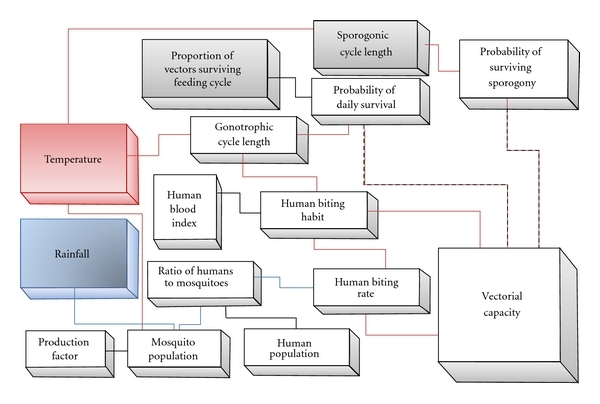
This variability is influenced by several biological factors, including:
- Mosquito physiology
- Genetic and molecular mechanisms
- Behavioral traits
- Immune responses
- Interaction with malaria parasites
Understanding these differences is critical for developing innovative strategies to reduce malaria transmission.
From a Single Genome to Comparative Genomics
The sequencing of the genome of Anopheles gambiae in 2002 marked a major milestone in vector biology. However, studying a single species was not sufficient to fully understand the genetic basis of vectorial capacity.
To address this limitation, researchers launched the Anopheles 16 Genomes Project, aiming to sequence and analyze multiple mosquito species. This comparative approach enables scientists to:
- Identify evolutionary relationships between species
- Study genetic diversity and adaptation
- Understand mechanisms of speciation
- Explore genes involved in malaria transmission
Project Design and Scientific Objectives
The project includes the sequencing of 16 additional Anopheles species, many of which belong to closely related groups such as the Anopheles gambiae complex, while others are more evolutionarily distant.
Key objectives include:
- Generating genome assemblies and transcriptomes
- Analyzing genetic polymorphisms in natural populations
- Identifying genes involved in:
- Host detection (odor sensing)
- Immune defense mechanisms
- Insecticide resistance
These datasets provide a powerful platform for understanding how mosquitoes evolve and adapt to different environments.
Technical Challenges in Mosquito Genome Sequencing
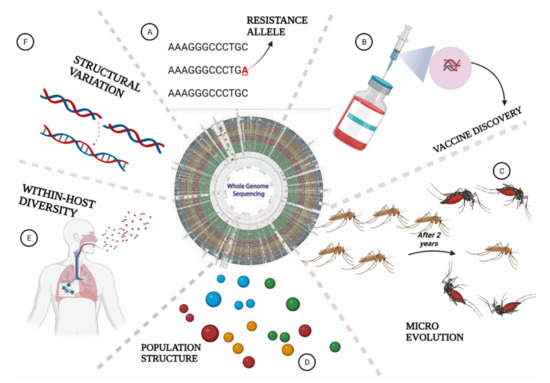
Sequencing Anopheles genomes presents unique challenges:
1. High Genetic Diversity
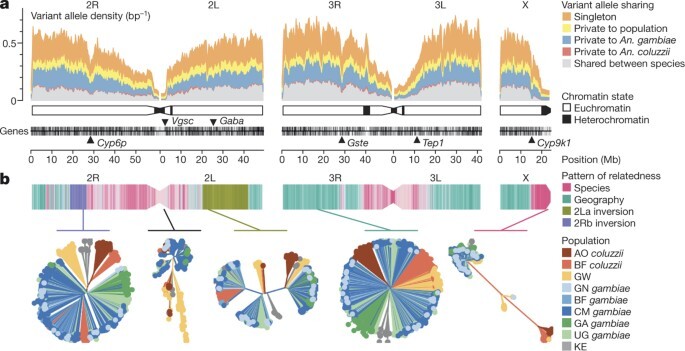
Mosquito populations show high levels of genetic variation, making genome assembly complex.
2. Repetitive DNA Sequences
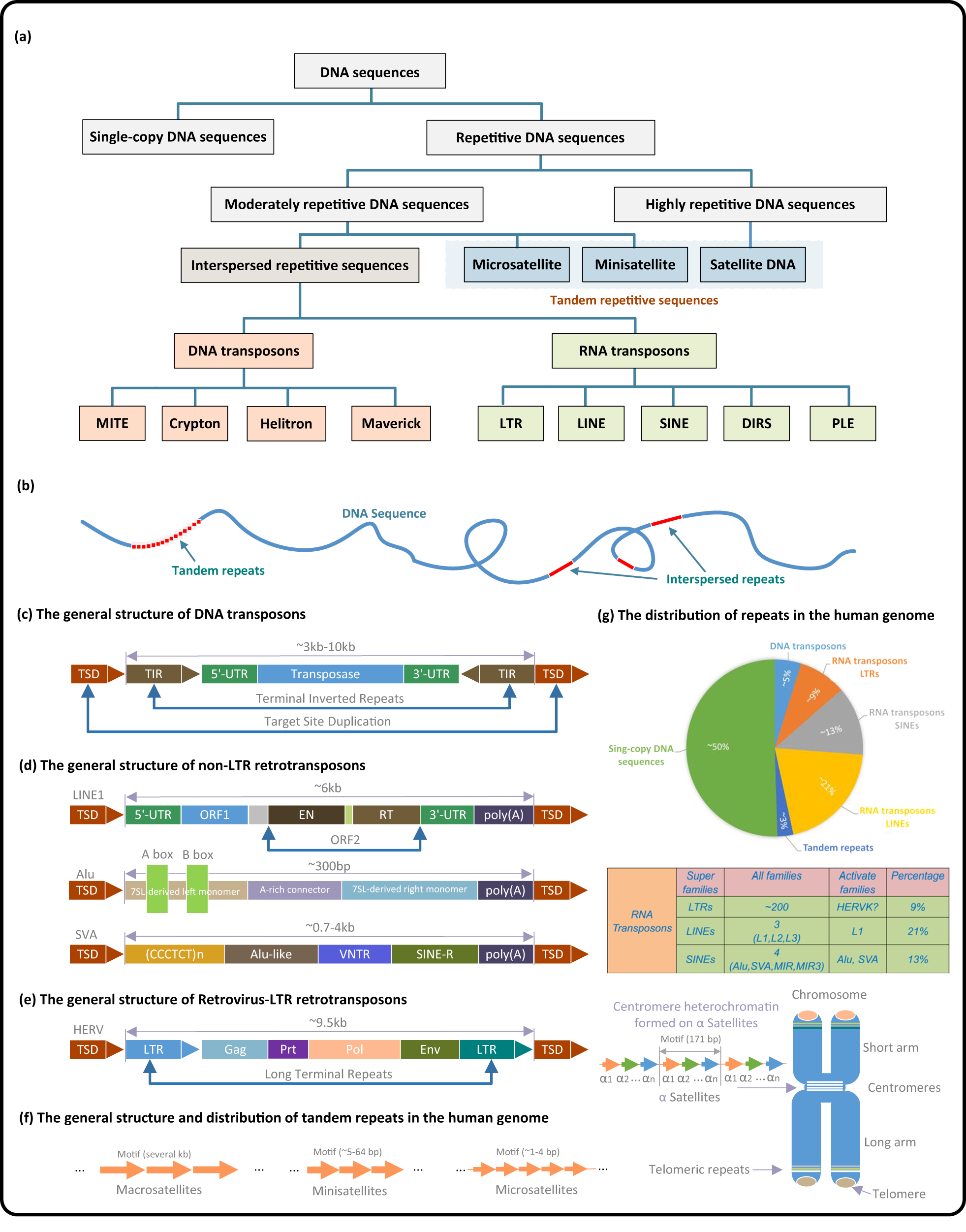
Their genomes contain numerous repetitive elements, such as transposons and heterochromatic regions, which complicate sequence alignment and assembly.
3. Small but Complex Genomes
Although Anopheles genomes (~275 Mb) are smaller than the human genome, their structural complexity requires advanced sequencing strategies.
Innovative Solutions and Methodologies
To overcome these challenges, the project implemented several key innovations:
Reduced Genetic Variability
Laboratory breeding techniques were used to create mosquito subcolonies with reduced genetic diversity, improving sequencing accuracy.
Advanced Bioinformatics Tools
Modified genome assembly algorithms allowed researchers to handle high heterozygosity by distinguishing true genetic variants from sequencing errors.
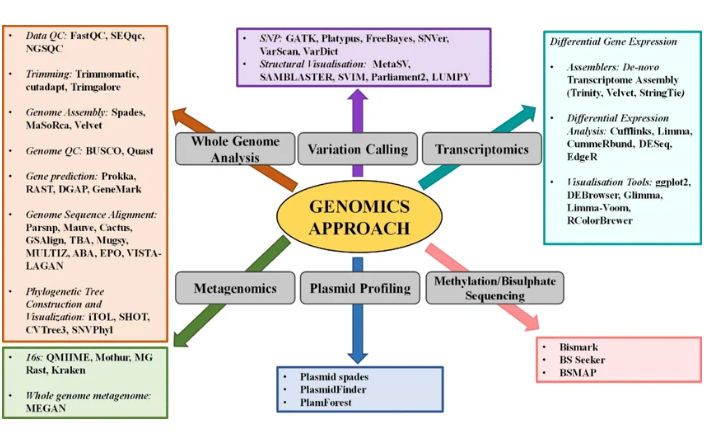
Improved Sequencing Technologies
The use of next-generation sequencing (NGS) and long-range library techniques enabled better genome scaffolding and assembly quality.
Data Integration and Bioinformatics Resources
The genomic data generated by this project are made publicly available through major scientific platforms such as:
These platforms support:
- Gene prediction and annotation
- Comparative genomics analysis
- Data sharing within the scientific community
Research Applications
The Anopheles Genomes Project opens new opportunities for research in multiple areas:
- Speciation and evolution
- Molecular adaptation mechanisms
- Insecticide resistance pathways
- Host-seeking behavior and chemoreception
- Immune system interactions with parasites
Ultimately, these insights can contribute to the development of novel vector control strategies.
Importance for disease Control
A deeper understanding of mosquito genetics can lead to:
- Improved vector surveillance
- Targeted control interventions
- Development of genetically informed strategies to reduce transmission
By identifying the genes and pathways involved in disease transmission, researchers can design more effective and sustainable solutions.
Conclusion
The Anopheles Genome Project represents a major advancement in research. By combining genomics, bioinformatics, and evolutionary biology, this initiative provides critical insights into the mechanisms that govern mosquito vector competence.
Despite the availability of advanced sequencing technologies, producing high-quality genome assemblies remains a complex task that requires collaboration, innovation, and strong bioinformatics support. The success of this project highlights the importance of integrating laboratory research with computational analysis to address global health challenges.
Recent Posts
-
In Situ Hybridization in Cytogenetics
Introduction In situ hybridization (ISH) is a powerful technique used in cytogenetics to detect and …31st Mar 2026 -
The Evolution of the Anopheles Genome Project
Introduction Paludism remains one of the most serious infectious diseases worldwide, despite signifi …31st Mar 2026 -
Genetic Testing for Inherited Cancer Risk
Introduction Genetic testing has become an essential tool in modern oncology, enabling the identifi …31st Mar 2026