
Blog
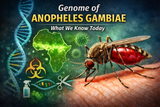
Genome of Anopheles gambiae: What We Know Today
Genome of Anopheles gambiae: What We Know Today
Mosquitoes are among the most dangerous animals on Earth not because of their bite itself, but because of the pathogens they transmit. Among them, Anopheles gambiae stands out as one of the most efficient vectors of malaria, responsible for a significant proportion of cases in sub-Saharan Africa. Its success as a vector is not accidental it is deeply rooted in its genetic makeup. Over the past two decades, genomic research has transformed our under
…
24th Mar 2026
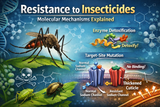
Resistance to Insecticides: Molecular Mechanisms Explained
Resistance to Insecticides: Molecular Mechanisms Explained
Insecticides have been one of humanity’s most important tools in fighting insect-borne diseases and protecting crops. From mosquitoes that spread malaria and dengue to pests that damage food supplies, chemical control has saved countless lives and livelihoods. But over time, many insects have developed resistance, making these chemicals less effective. Understanding how this resistance works at the molecular level is key for scient
…
24th Mar 2026